Clara Zimmermann · 18 October 2026
Adapting Key Retrieval Methods for Historic Structures in Earthquake-Prone Regions
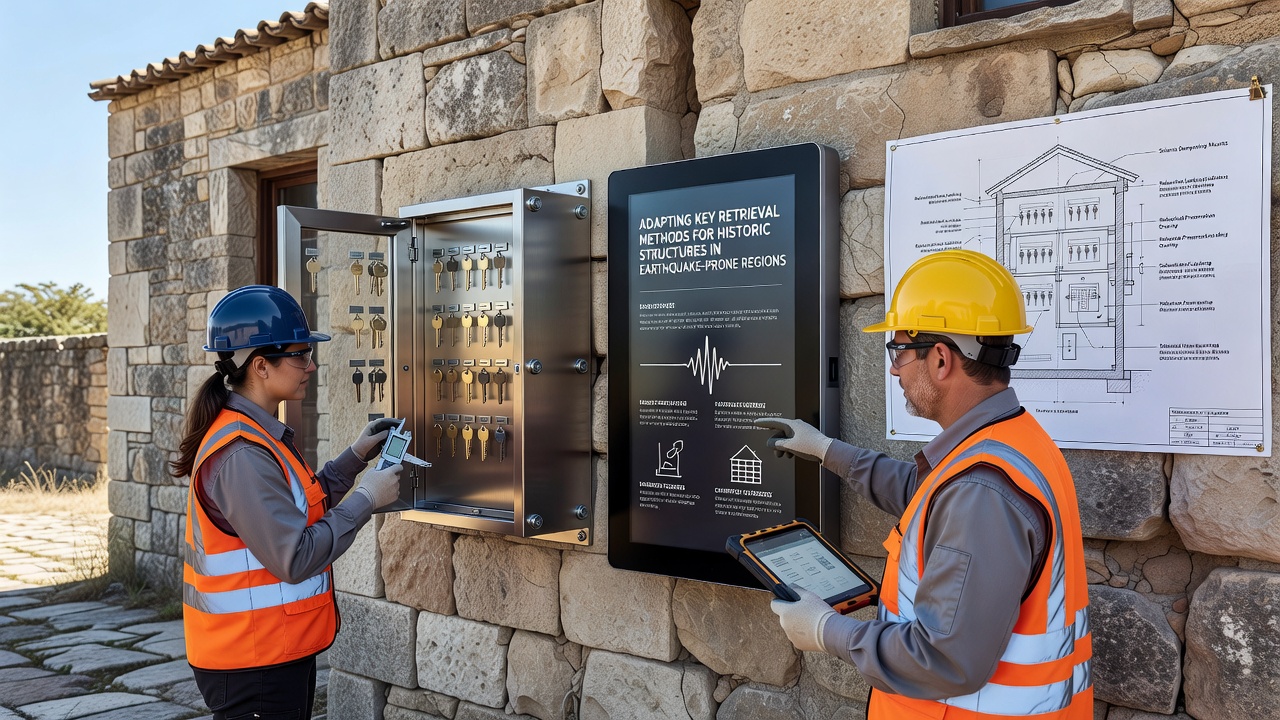
Historic structures in earthquake-prone regions present unique challenges for emergency key retrieval systems, and observers note that preservation requirements often intersect with seismic engineering demands in complex ways. These buildings frequently feature original masonry, timber framing, or ornate facades that limit where and how modern access devices can be installed without altering their cultural value. Researchers have documented cases where standard mounting techniques caused visible stress on aged walls during even minor tremors, prompting a shift toward specialized adaptations.
Engineers working in places like California and New Zealand have developed mounting systems that use flexible brackets and vibration-dampening pads to secure key vaults while allowing slight movement during ground shaking. Data from the United States Geological Survey shows that structures built before 1950 experience amplified damage when rigid attachments transfer seismic forces directly into fragile materials. The result has been a focus on anchor designs that distribute loads across larger surface areas and incorporate energy-absorbing components.
Seismic Design Principles Applied to Access Systems
Key retrieval methods in these settings rely on materials tested for repeated cycles of compression and tension. Stainless steel enclosures with internal shock absorbers have replaced older rigid boxes in several retrofitting projects, and studies indicate these units maintain functionality after simulated magnitude 7 events. Installation crews now position devices at structurally reinforced points identified through laser scanning and finite element analysis rather than relying on traditional wall locations.
Wireless monitoring sensors integrated into the vaults allow remote checks for alignment shifts or tampering, reducing the need for physical inspections that might disturb historic interiors. In regions along the Pacific Ring of Fire, local codes increasingly require such sensors to transmit data to central emergency networks during aftershock sequences.
Regional Examples and Implementation Patterns
One project in the historic district of Lisbon demonstrated how key deposit units could be embedded within existing stonework using lime-based mortars compatible with original construction techniques. The approach preserved visual continuity while meeting updated Portuguese seismic standards that took effect after the 2024 regional review. Similar efforts in Istanbul have combined key retrieval adaptations with broader facade stabilization programs funded through international heritage grants.
California's Office of Historic Preservation has issued guidance that pairs key system upgrades with overall seismic retrofits, allowing property owners to address both emergency access and structural safety in coordinated phases. Observers note that this integrated method reduces cumulative impact on the building fabric compared with separate interventions.
Regulatory Developments and Upcoming Standards
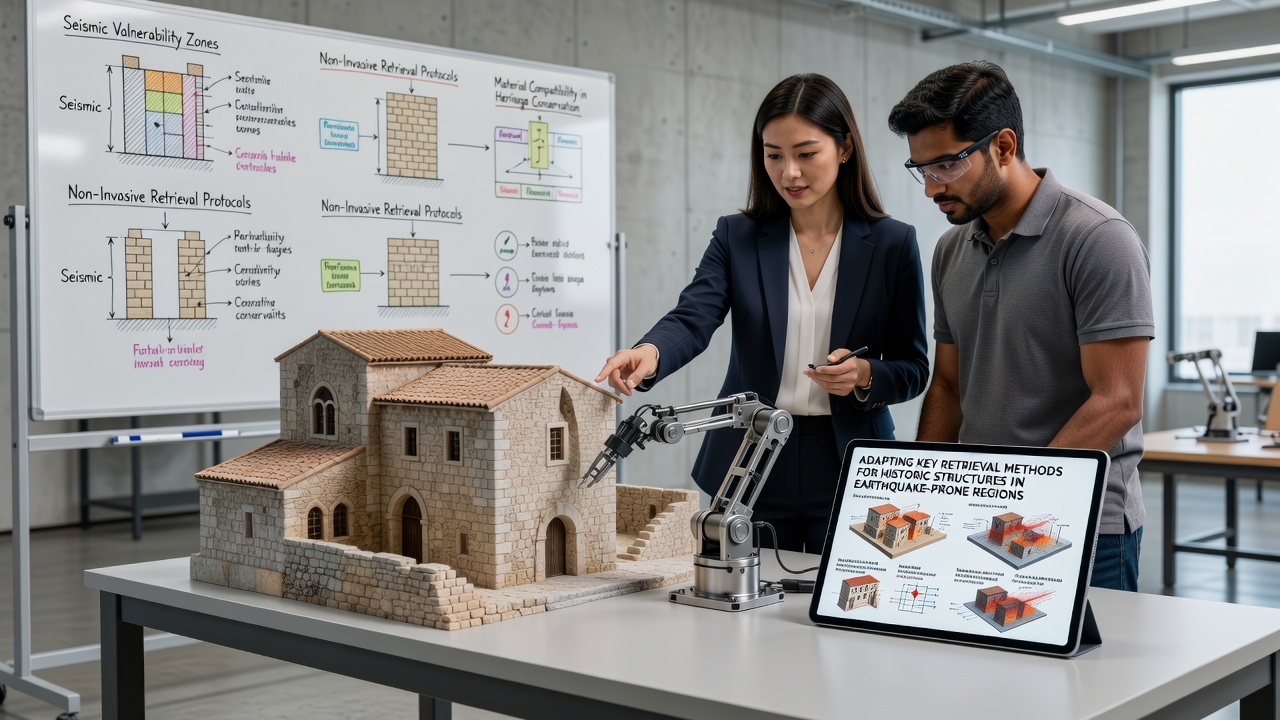
International guidelines continue to evolve, and a joint working group involving heritage organizations and seismic engineers plans to release updated recommendations in October 2026. These updates are expected to address minimum performance thresholds for key retrieval equipment under combined static and dynamic loading conditions specific to pre-modern construction. Building owners in affected zones have already begun preliminary assessments to align current installations with the anticipated framework.
Training programs for installation technicians now emphasize non-invasive attachment methods and documentation protocols that satisfy both preservation review boards and fire safety authorities. Records from completed projects show that detailed photographic surveys before and after work help resolve disputes during final inspections.
Material Innovations and Testing Protocols
Composite polymers tested at university laboratories in Japan and Italy have shown promise as substitutes for traditional metal components in high-visibility locations. These materials match the thermal expansion rates of surrounding stone or brick, which reduces long-term cracking risks during temperature cycles that often follow major seismic events. Laboratory data reveals that prototypes retained full operational integrity after 500 simulated aftershock cycles.
Field verification procedures include tilt sensors and accelerometers mounted alongside the key systems to log real-world performance during actual tremors. Aggregated results from multiple sites feed into databases maintained by engineering associations, allowing designers to refine future adaptations based on measured outcomes rather than theoretical models alone.
Conclusion
Adaptations for key retrieval in historic structures continue to balance emergency response needs with cultural preservation mandates across multiple earthquake-prone regions. Coordinated efforts between engineers, conservators, and regulatory bodies have produced mounting techniques, materials, and monitoring approaches that address both sets of requirements without compromising either. As new standards approach release in October 2026, ongoing data collection from installed systems will shape refinements that keep these methods effective and compatible with the buildings they serve.