Wendy Hughes · 1 November 2026
Integration Challenges of Rapid Entry Systems with Smart Building Sensors in High Rise Developments
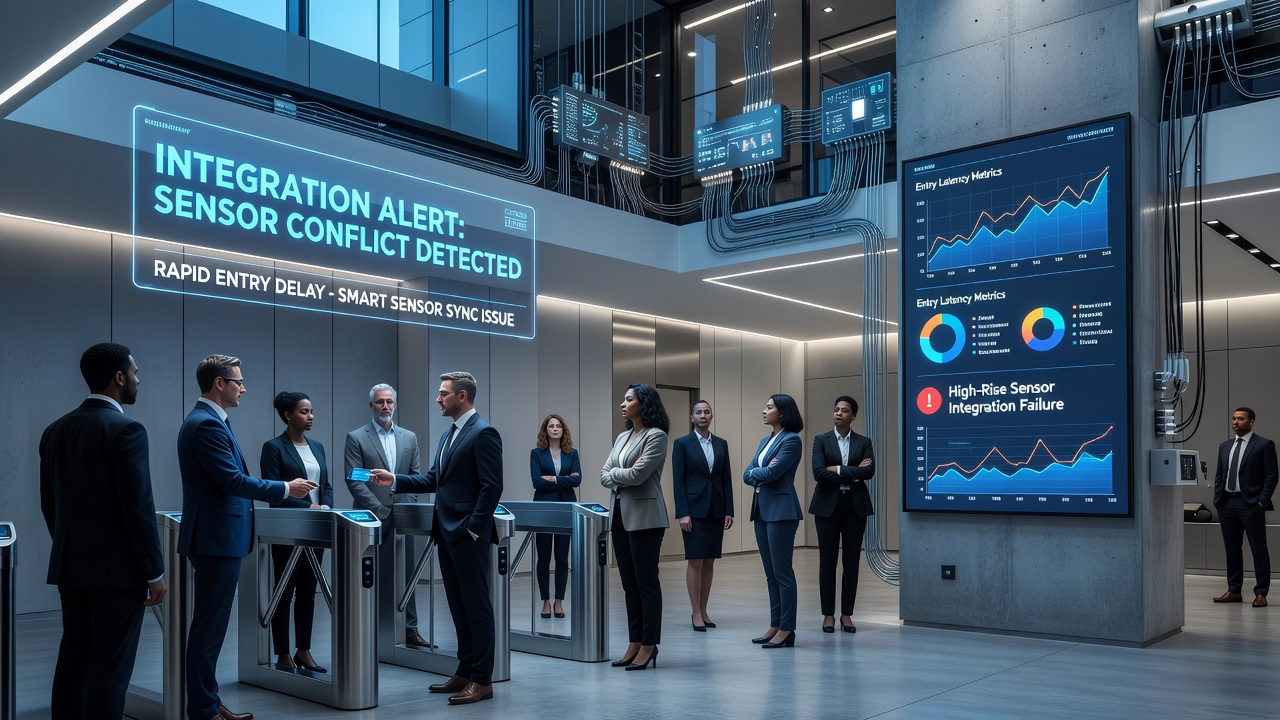
High-rise developments increasingly combine rapid entry systems with networks of smart building sensors to support emergency response times and operational efficiency, yet the process reveals layers of technical and procedural complexity. Researchers in building automation have documented how these integrations demand precise alignment between legacy key access hardware and modern IoT sensor arrays that monitor everything from smoke detection to structural vibration.
Protocol and Hardware Compatibility Issues
Many rapid entry units rely on standardized mechanical interfaces that predate widespread sensor adoption, which creates friction when facilities managers attempt to link them to digital platforms using BACnet or Modbus protocols. Studies from institutions tracking commercial construction show that mismatched data formats often force custom middleware development, adding both cost and potential points of failure during high-traffic events. Observers note that elevator banks and fire suppression lines in towers exceeding thirty stories further complicate cabling routes, forcing installers to route sensor feeds through shared conduits that already carry power and communications traffic.
One case examined by engineering teams in North America revealed that older rapid entry vaults required additional relay modules to interpret signals from newer occupancy sensors, resulting in delayed response triggers during simulated drills. Data indicates that buildings constructed after 2020 encounter fewer such hurdles because newer designs incorporate dedicated sensor buses from the outset, whereas retrofits in structures from the 1990s demand extensive mapping of existing infrastructure.
Cybersecurity and Data Flow Concerns
Smart sensors generate continuous streams of environmental and access data that rapid entry systems must process without exposing control pathways to unauthorized parties. Reports from cybersecurity research groups highlight that encryption standards vary widely across manufacturers, leaving gaps where a compromised sensor could theoretically influence entry permissions. Facilities in dense urban cores face added scrutiny because multiple stakeholders, including property management firms and municipal emergency services, require segmented access to the same data pools.
Regulatory Timelines and Upcoming Standards
Building codes continue to evolve toward greater interoperability requirements, with several jurisdictions scheduling reviews that will influence installations completed before the end of the decade. In November 2026 the International Code Council plans to release updated guidelines on integrated life-safety systems, which experts anticipate will address minimum latency thresholds for sensor-triggered rapid entry activation. Australian regulatory bodies have already begun pilot programs requiring documented testing of combined mechanical and digital access points, while Canadian authorities emphasize third-party certification for any device that interfaces with municipal dispatch networks.
Those who have reviewed project timelines note that developers who delay sensor integration until after structural completion often encounter permitting delays, as inspectors now request demonstration of end-to-end functionality rather than isolated component checks.

Power Management and Redundancy Requirements
Smart sensors typically operate on low-voltage networks that remain active during partial outages, whereas many rapid entry mechanisms still depend on dedicated battery backups or manual overrides. Research published by the National Institute of Standards and Technology outlines how voltage fluctuations in mixed-use towers can trigger false negatives in sensor arrays, preventing automatic release of secure key compartments when primary power drops. Installers therefore incorporate dual-feed circuits and supercapacitor buffers to maintain signal integrity across both systems during extended emergencies.
Maintenance logs from several Asian high-rise projects indicate that quarterly sensor calibration combined with annual rapid entry inspections reduces the incidence of communication dropouts, yet coordinating these schedules across multiple tenant floors remains logistically demanding. Property teams often rely on centralized building management software to flag anomalies, though integration layers sometimes mask underlying hardware faults until physical testing occurs.
Installation Logistics in Occupied Structures
Retrofit work in operational high-rises requires careful sequencing to avoid disrupting tenant access or triggering unnecessary fire alarms during sensor placement. Contractors report that running new communication lines alongside existing rapid entry conduits demands precise mapping to prevent electromagnetic interference, particularly near elevator machinery and HVAC equipment. European trade associations have published case studies showing that phased rollouts, beginning with lower floors and progressing upward, allow teams to validate each segment before expanding the network footprint.
Training programs for building staff now include modules on interpreting combined sensor and entry-system alerts, since misreading a single dashboard notification can delay response during actual incidents. Data collected from these programs shows measurable improvement in coordination between on-site personnel and arriving emergency teams when both parties share the same real-time status view.
Conclusion
Integration of rapid entry systems with smart building sensors in high-rise developments continues to advance through incremental hardware refinements and coordinated regulatory updates. Evidence from multiple regions demonstrates that successful projects prioritize early protocol alignment, robust power redundancy, and ongoing cross-training for maintenance crews. As standards bodies prepare further guidance for 2026 and beyond, facilities that establish clear testing protocols and segmented data access now position themselves to meet future interoperability expectations with fewer structural modifications.